


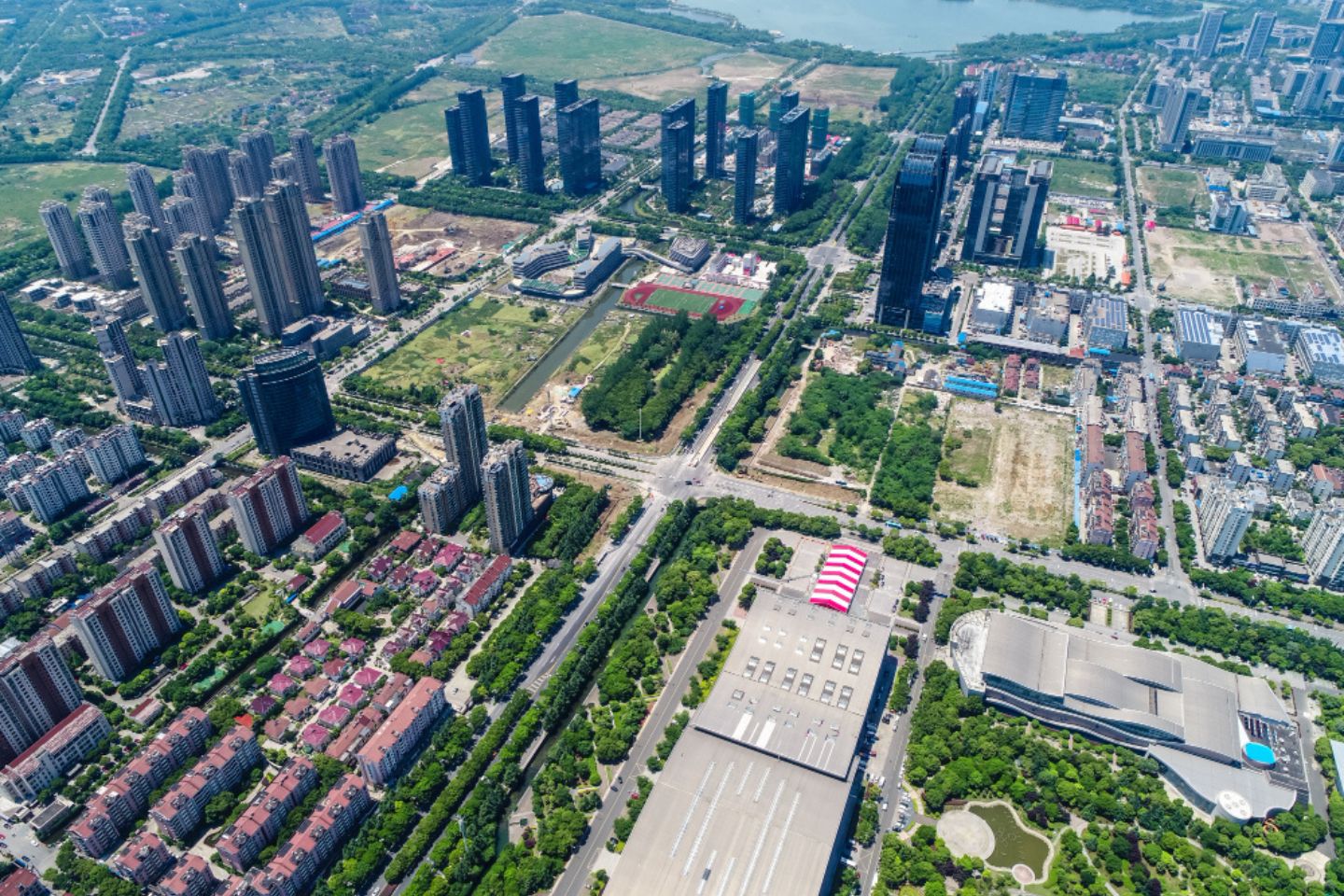
Residential land plays a crucial role in urban planning and community development. It refers to land specifically designated for housing and related infrastructure. Understanding the main use of residential land is essential for landowners, investors, and city planners because it helps ensure proper land utilization, legal compliance, and sustainable growth.
Residential land is not only an investment opportunity but also forms the foundation of vibrant communities, providing homes, green spaces, and essential facilities. In this guide, we will explore the main uses, planning strategies, legal considerations, and future trends in residential land development.
Main Use of Residential Land
The primary use of residential land is to provide spaces for people to live. However, the full scope includes several key aspects:
Housing Development
Residential land is primarily used for building:
- Single-family homes
- Apartments and multi-family units
- Villas or luxury homes
These developments ensure safe, organized living spaces for residents.
Community Facilities
Many residential developments also include:
- Parks and playgrounds
- Schools and daycare centres
- Clinics and small healthcare facilities
Community infrastructure enhances the quality of life and supports social interactions.
Urban Planning and Population Management
Proper residential land development helps:
- Reduce overcrowding in urban areas
- Manage population density
- Create sustainable neighbourhoods
Understanding Residential Land
Definition of Residential Land
Residential land is land designated primarily for constructing homes and living spaces. This can include:
- Single-family homes
- Apartments and condominiums
- Villas and townhouses
It differs from commercial land, which is used for shops, offices, and industries, and from agricultural land, which is used for farming.
Read more: How to develop land for residential use– for a detailed step-by-step guide on converting land into a fully developed residential area.
Key Features of Residential Land
- Zoning: Residential land must comply with local zoning regulations.
- Infrastructure: Availability of roads, water, electricity, and drainage.
- Accessibility: Proximity to schools, hospitals, and public transport.
Residential Land vs Residential Plots
A residential plot is a portion of residential land that is divided for the purpose of constructing a home. While residential land refers to the larger area set aside for housing and related infrastructure, a subdivided portion is ready for individual development.
Comparison Table: Residential Land Uses
Use Case | Description | Importance |
Housing | Single-family and multi-family homes | Primary purpose |
Recreation | Parks, playgrounds, and community halls | Enhances lifestyle |
Education | Schools, colleges, daycare | Supports families |
Healthcare | Clinics, small hospitals | Ensures safety |
By understanding these uses, developers and city planners can design residential areas that meet both current and future needs.
What is Residential Land Use?
Definition and Concept
Residential land use refers to how land is allocated, planned, and utilized for housing purposes within a city or town. It is determined by local governments through zoning regulations.
Types of Residential Land Use
- Low-Density Residential: Detached houses, villas, bungalows.
- Medium-Density Residential: Row houses, duplexes, small apartment complexes.
- High-Density Residential: Large apartment buildings, condominiums.
Legal and Zoning Requirements
Residential land use is governed by:
- Zoning laws
- Development codes
- Building regulations
Proper adherence ensures legal compliance and avoids disputes.
Read more: Residential plot meaning – to understand how subdivided portions of land are defined and legally recognized for housing construction.
Legal and Regulatory Framework
Zoning Laws and Permissions
Local authorities define areas suitable for residential development. Compliance with these rules is essential to avoid legal issues.
Land Conversion
If agricultural land is to be developed for residential purposes, land use conversion is required. Developers must obtain clearance from municipal authorities.
Environmental and Safety Regulations
Environmental impact assessments and fire safety approvals may be required for large developments.
Planning and Designing Residential Land
Layout Planning
Effective residential layout planning includes:
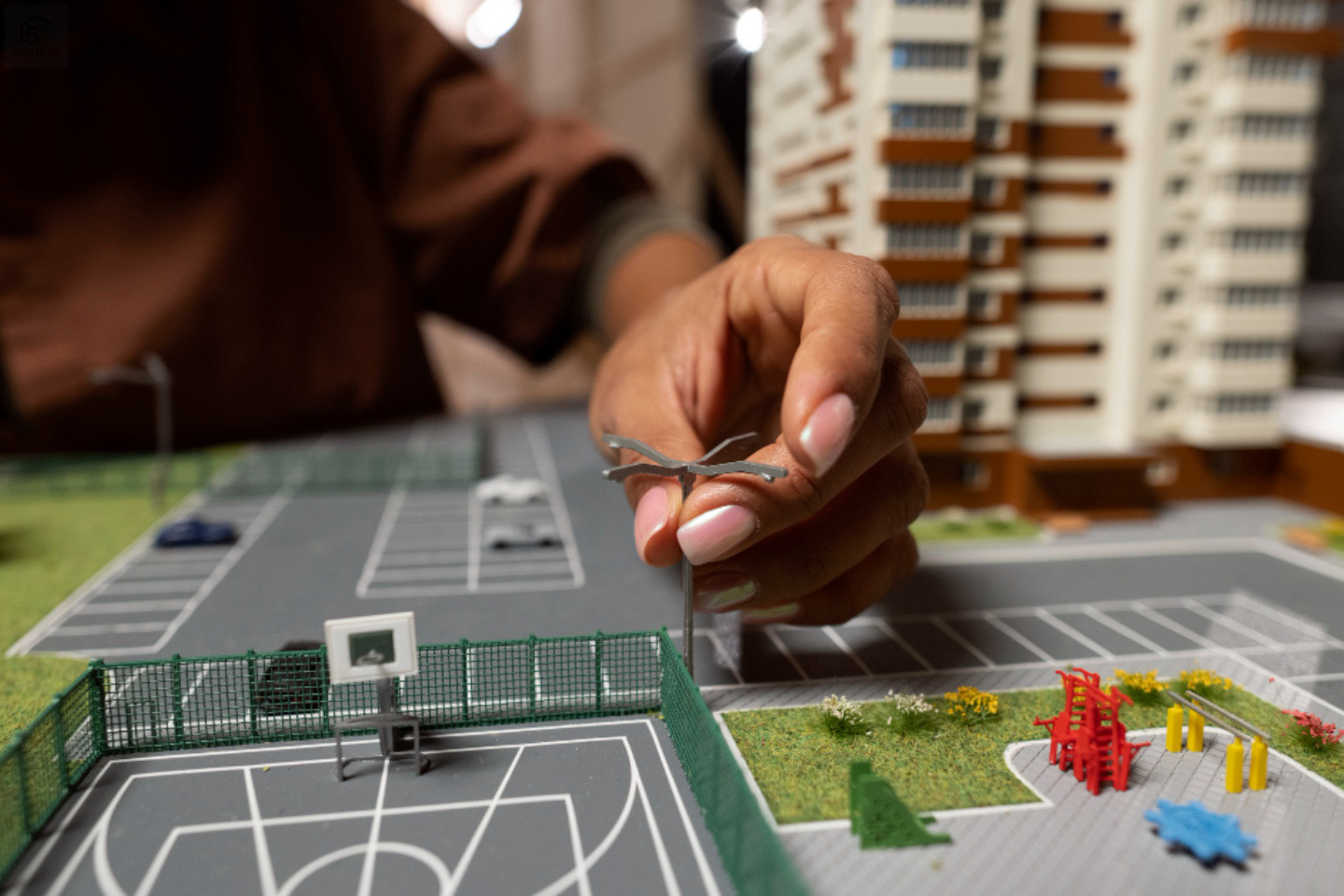
- Roads and pathways
- Individual plots
- Open spaces and parks
- Community facilities
Utilities and Infrastructure
- Water pipelines
- Sewage systems
- Electricity and street lighting
Sustainable Planning
Incorporating green spaces, rainwater harvesting, and eco-friendly materials supports long-term sustainability.
Infrastructure and Development
Roads and Transportation
Internal roads should connect easily to main highways and public transport routes.
Utilities
- Electricity and streetlights
- Water supply and drainage
- Waste management
Community Amenities
Parks, playgrounds, and social halls enhance livability and property value.
Benefits of Residential Land Use
- Investment Potential: Residential land appreciates over time, making it a profitable investment.
- Social and Community Benefits: Well-planned residential areas foster strong communities and improve the quality of life.
- Urban Planning Advantages: Helps cities manage population density and create organised neighbourhoods.
- Environmental Sustainability: Properly planned residential areas can include green spaces, parks, and eco-friendly infrastructure, which help reduce pollution and support a healthier environment.
- Enhanced Livability: Residential developments with well-planned amenities, roads, and utilities provide a comfortable and convenient lifestyle for residents, improving overall satisfaction and community well-being.
Challenges in Residential Land Development
Legal Disputes
- Unclear titles
- Encroachments
Delays in Approvals
- Municipal approvals
- Environmental clearances
Budget Overruns
- Unexpected costs
- Infrastructure delays
Environmental Challenges
- Waterlogging
- Soil erosion
Future of Residential Land Use
Trends in Urbanization
- Rising demand for housing
- Shift to high-density residential developments
Smart Cities
- Integration of technology in planning
- Efficient traffic, energy, and waste management
Sustainable Practices
- Green buildings
- Solar energy integration
- Rainwater harvesting
Conclusion
The main use of residential land is to provide organized, livable spaces for housing while supporting community facilities and urban planning. Proper planning, legal compliance, and sustainable development practices are essential for maximizing both social and financial benefits.
Frequently Asked Questions
The main purpose of residential land is to provide organized spaces for housing and to support community facilities like parks, schools, and healthcare centres.
Yes, agricultural land can be converted for residential use, but this requires obtaining official land conversion approval from the local authorities.
Residential land use refers to how land is planned, allocated, and legally designated for housing and related community infrastructure.
Local municipal authorities or urban development agencies are responsible for approving residential land development projects and ensuring compliance with zoning regulations.
Residential land refers to a larger area designated for housing, while a residential plot is a smaller, subdivided portion of that land prepared for constructing individual homes.

52 Bigha
Recent Posts
Where Should I Buy an Industrial Plot for Sale in Haryana: Complete Guide

Property Tax Benefits for Senior Citizens in India: Complete Guide

Different Challenges in Buying Plots or Residential Lands: Complete Guide

Why Residential Plot Schemes Are Beneficial for Homebuyers?
A Comparison of Amenities and Features in Rohtak’s Residential Projects



Join The Discussion